

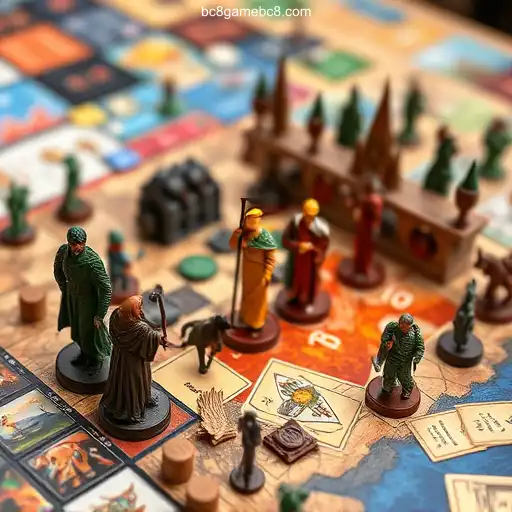
Exploring the World of Tabletop Games: A New Era of Entertainment
Tabletop games have been a staple of social engagement for centuries, evolving from simple board games to complex strategic encounters. The richness of this genre lies in its diversity; whether you enjoy cooperative strategy, fantasy realms, or competitive card games, there is something for everyone. Tabletop games encompass a wide range of styles and formats, attracting players with varied tastes and preferences.
The Rise in Popularity of Tabletop Games
In recent years, there has been a remarkable resurgence in the popularity of tabletop games. Factors contributing to this revival include the desire for social interaction, the tactile pleasure of physical components, and the increasing sophistication of game design. Unlike digital games, tabletop games offer an intimate experience shared with friends and family, fostering communication and collaboration.
This renewed interest has led to an explosion of innovation in game mechanics and themes. From the classics like Monopoly and chess to contemporary hits like Settlers of Catan and Pandemic, the industry has seen an influx of creative and intriguing options. Players now have access to an expansive library of games, ranging from simple card games to complex strategy-based adventures.
Components of Tabletop Games
Tabletop games typically consist of various components that add depth and complexity to the gameplay. These components include boards, cards, dice, and miniatures, each playing a crucial role in dictating the flow and mechanics of the game. The tactile nature of these elements is integral to the experience, providing players with a sensory connection to the game.
Board games often feature an interactive playing surface where players move pieces according to specific rules. Card games utilize decks of cards that players draw to influence outcomes. Dice games rely on the randomness and unpredictability of the roll, adding a layer of excitement and chance. Miniatures are detailed figurines that represent characters or elements within the game, enhancing the visual appeal and immersion.
Exploring Different Genres
The versatility of tabletop games is evident in the diverse genres and themes they explore. Some popular genres include:
- Strategy Games: These games require careful planning and resource management, where players must anticipate opponents' moves and adapt their strategies. Notable examples are Risk and Catan.
- Role-Playing Games (RPGs): Players assume the roles of characters in a fictional setting, guided by a set of rules and a narrative arc. Dungeons & Dragons is a prominent example of this genre.
- Cooperative Games: In these games, players work together toward a common goal, as seen in games like Pandemic, where teamwork is essential to success.
- Deck-Building Games: Players construct a deck of cards as they play, optimizing their strategies to outmaneuver opponents, seen in games like Dominion.
The Impact of Digital and Online Platforms
The advent of the digital age has further expanded the reach of tabletop games. Online platforms allow players to connect and compete globally, breaking geographical barriers. Websites like bc8 cassino online licenciado com 2.500+ jogos certificados, bônus R$ 5.000🍀 provide a vast selection of games, catering to both traditional and modern tastes.
These platforms offer convenience and accessibility, allowing players to engage in gameplay from the comfort of their homes. The digital adaptation of tabletop games has opened new avenues for exploration, making them accessible to a broader audience and introducing innovations like virtual reality and augmented reality to enhance the gaming experience.
Tabletop Games as Learning Tools
Apart from entertainment, tabletop games serve as valuable educational tools. They promote critical thinking, problem-solving, and strategic planning, making them popular in educational settings. Games encourage creativity and innovation, providing a safe environment for exploration and experimentation.
For instance, history-themed games immerse players in historical events, allowing them to understand and analyze complex scenarios. Math-based games develop numeracy skills, while word games enhance vocabulary and language proficiency. The playful nature of tabletop games makes learning enjoyable and effective, engaging students in active rather than passive learning experiences.
The Social Dimension of Tabletop Gaming
One of the primary attractions of tabletop games is their ability to foster social connectivity. These games provide a platform for people to interact face-to-face, building relationships and enhancing communication skills. The collaborative nature of many games encourages teamwork and requires players to negotiate, persuade, and strategize together.
The accessibility and inclusivity of tabletop games are also significant factors in their widespread appeal. Players of all ages and backgrounds can participate, making them an excellent choice for family gatherings, parties, and community events. The shared experience of playing together creates lasting memories and strengthens social bonds.
Conclusion
Tabletop games offer a rich tapestry of experiences, combining elements of strategy, creativity, and social interaction. As they continue to evolve alongside digital advancements, the allure of these games endures, providing endless entertainment and learning opportunities for players worldwide. Whether indulging in a classic board game or exploring new realms through innovative online platforms, the world of tabletop games remains a vibrant and dynamic arena of exploration and discovery.